
Audrey Tang is a civic hacker, co-author of Plurality: The Future of Collaborative Technology and Democracy, an inaugural senior accelerator fellow at the Oxford Institute for Ethics in AI, and a 2026–27 Carnegie Distinguished Fellow at Columbia SIPA's Institute of Global Politics.
Taiwan's cyber ambassador, first digital minister and the world's first nonbinary cabinet minister, Tang was awarded the 2025 Right Livelihood Award for “advancing the social use of digital technology to empower citizens, renew democracy and heal divides.”
A child prodigy who practiced Taoism to manage a congenital heart condition, Tang opted for homeschooling and entrepreneurship at 14. A decade later, Tang was a leader in the free and open-source software communities, revitalising the Haskell and Perl languages.
唐鳳是公民黑客、《多元宇宙:協作科技與民主的未來》共同作者,也是牛津 AI 倫理研究院首屆加速哲人,並擔任哥倫比亞大學國際公共事務學院卡內基傑出學人。
作為中華民國數位治理大使、首任數位發展部長、全球首位非二元性別內閣成員,唐鳳於 2025 年獲頒正命獎,表彰其「推進數位科技的社會應用,賦權公民、更新民主並修補社會裂痕」的貢獻,是該獎項史上首位臺灣得主。
唐鳳從小資賦優異,練習道家功法抑制先天性心臟病,14 歲離開正規學校投身創業,24 歲時已是自由開源軟體社群的領袖,重振了 Haskell 與 Perl 程式語言的生態。
- Cyber Ambassador Taiwan
- Senior Accelerator Fellow Oxford Institute for Ethics in AI
- Carnegie Distinguished Fellow Columbia SIPA
- Visiting Professor Keio University
- GLOCOM Visiting Professor International University of Japan
- Senior Research Fellow Collective Intelligence Project
- Senior Fellow Change.org Charitable Foundation
- Senior Advisor Special Competitive Studies Project
- Senior Advisor BLOOM Project
- Plurality Initiative Advisor Ethereum Foundation
- Board Member Robust Open Online Safety Tools
- Board Member Cooperative AI Foundation
- Board Member RadicalxChange Foundation
- 中華民國 數位治理無任所大使
- 牛津大學 AI 倫理研究院 加速哲人
- 哥倫比亞大學國際公共事務學院 卡內基傑出學人
- 慶應義塾大學 客座教授
- 日本國際大學 GLOCOM 客座教授
- 集體智慧計畫 資深研究員
- Change.org 基金會 資深研究員
- Special Competitive Studies Project 資深顧問
- BLOOM Project 資深顧問
- 以太坊基金會 多元宇宙倡議顧問
- Robust Open Online Safety Tools 理事
- Cooperative AI Foundation 理事
- RadicalxChange Foundation 理事
We the People are Truly the Superintelligence
我們全民,才是超級智慧

We the People Are Truly the Superintelligence
我們全民,才是超級智慧
Superintelligence is not built in a data centre; it is already in the room. On wildfire versus campfire platforms, turning data oil back into living soil, and the local Kami path to Civic AI.
超級智慧不是在資料中心裡打造的,它就在會場之中。從「野火,還是篝火」,到把資料石油還原成土壤,以及仁工智慧的「地神(Kami)」。
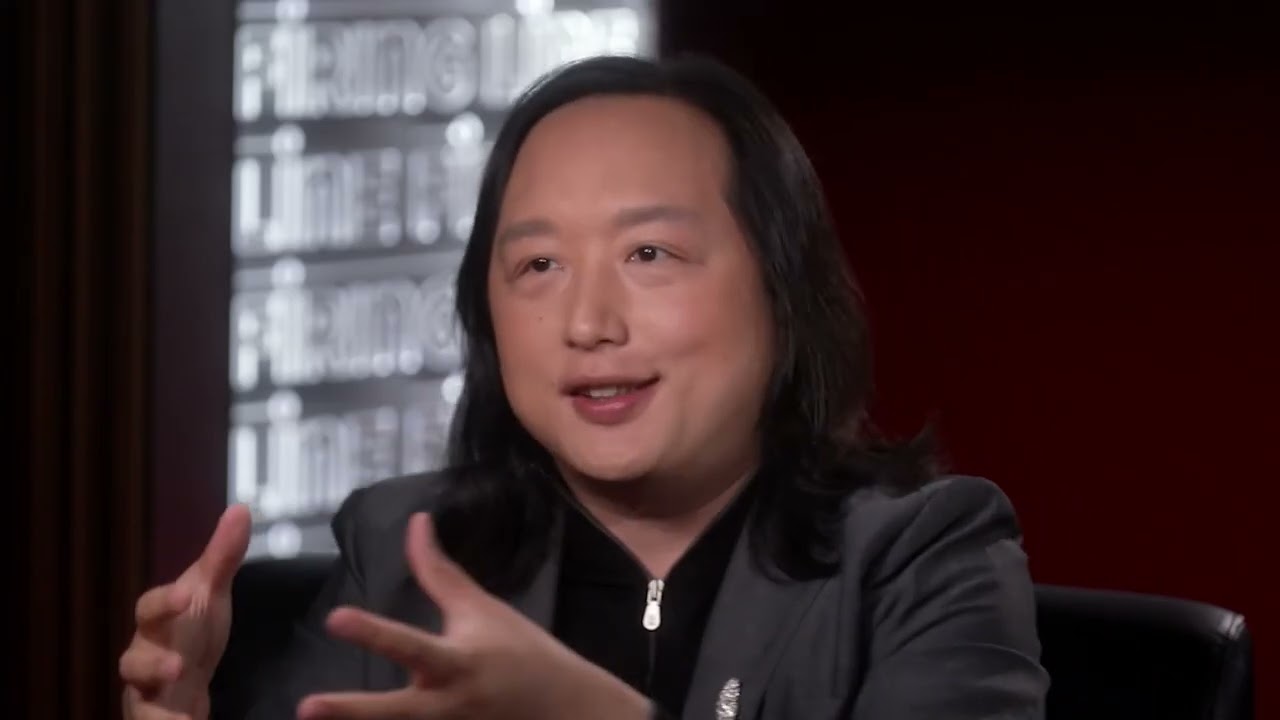
Technology, Democracy and AI
“To give no trust is to get no trust.” On Taiwan’s citizens’ assemblies, the illusion of polarisation, and how Civic AI built inside the occupied parliament became today’s Community Notes.
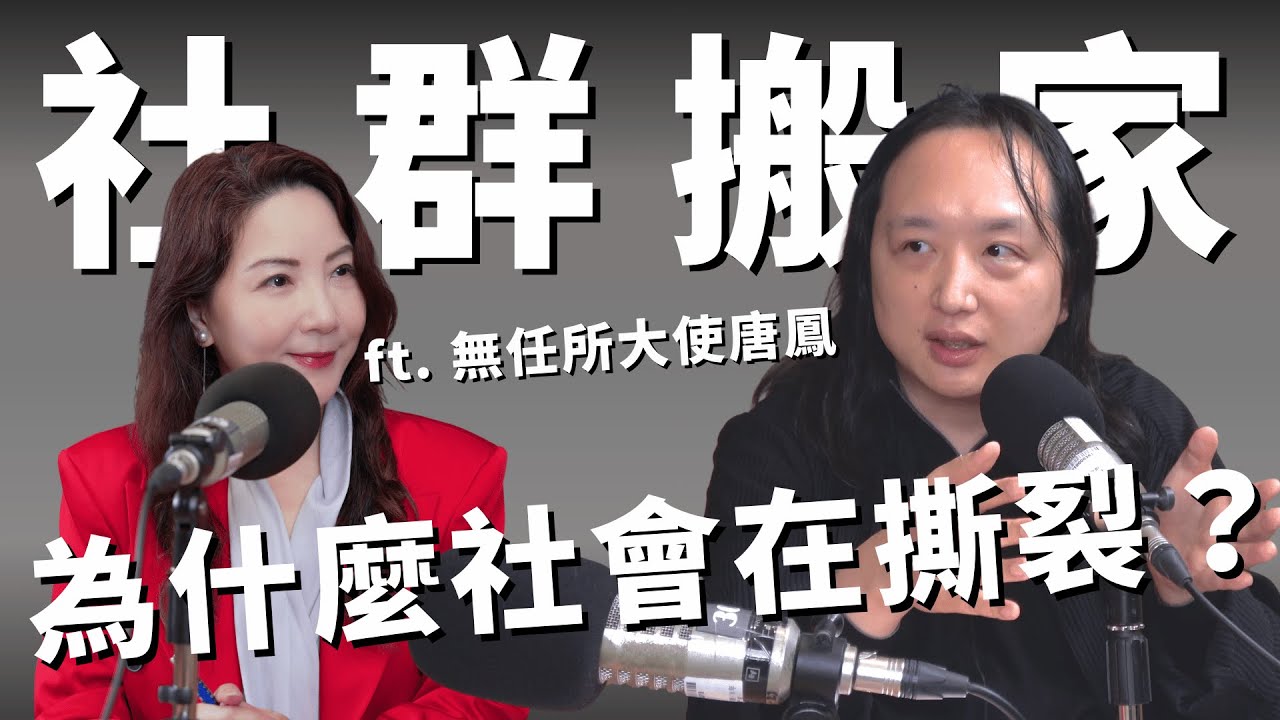
數位遷徙自由
讓 AI 從讓人上癮的「大火」,轉化為社群圍坐的「篝火」;搭橋演算法如何消弭對立、找出罕見共識。
Free the Future — Together!
攜手共創無限未來
Civic AI and the 6-Pack of Care
仁工智慧 & 關懷六力
The dominant AI safety narrative is vertical: one superintelligent system, aligned once and for all to human values. But no amount of what is produces what ought to be. Civic AI, developed with Caroline Green at Oxford, offers a horizontal alternative — many bounded, purpose-specific AI agents, each devoted to one community’s relational health.
These agents are modelled on local Kami: guardian spirits bound to a specific place. A Kami that knows “enough is enough” will not cling to power or expand beyond its purpose. Instead of coding the “perfect” values once, the framework builds continuous governance rooted in care ethics — alignment by process, not by fiat. Six packs, drawn from Joan Tronto’s political ethics of care, make this concrete:
主流的 AI 安全論述是由上而下的:一套超級智慧系統,一次性對齊人類價值。但再多的「實然」永遠導不出「應然」。唐鳳與牛津大學的 Caroline Green 共同開發的《仁工智慧》提供了水平的替代方案——眾多有邊界、針對特定目的的 AI 智慧體,各自專注服務單一社群的關係健康。
這些智慧體的概念來自 local Kami(地神):特定場域的守護者,明白「夠好就好」,不執著於權力,也不會擴張超出自身目的。這個架構並非一次性寫入「完美」價值,而是建構奠基於關懷倫理的持續治理——透過流程而非指令對齊。從 Joan Tronto 的政治關懷倫理延伸而來的六力架構具體如下:
Packs 1–4 turn as the care cycle; Pack 5 is the field between deployments; Pack 6 keeps every deployment local, plural, and ready to step back.
第一至第四力構成關懷循環;第五力連結部署之間的場域;第六力守住邊界,讓每個部署維持在地、多元,並能功遂身退。
- Care cycle關懷循環
- Solidarity field團結場域
- Symbiosis boundary共生邊界
Attentiveness
覺察力
What do the people closest to pain notice that we’re missing? Representation-gap checks show which materially affected groups are still missing or badly under-represented, then bridging maps surface cross-cutting concerns.
最貼近痛苦的人注意到哪些我們忽視的需求?代表性落差檢驗哪些受實質影響的群體仍缺席或被低估,再由搭橋地圖浮現跨領域關切。
Responsibility
負責力
Who is accountable, with what authority, and what happens if they fail? Promise fidelity asks whether obligations are owned, authorised, funded, and kept on published terms.
誰負責、擁有什麼權限、失敗時有什麼後果?承諾保真度檢驗重要義務是否被明確指派、授權正當,並依公布條件履行。
Competence
勝任力
Does the system demonstrably work? Verified execution rate asks whether audited decisions pass guardrails, carry usable traces, and stay within release bounds.
系統是否真的能運作?經驗證的執行率檢驗被抽查的決策或發版是否通過護欄、具備可用軌跡,並維持在發版界限內。
Responsiveness
回應力
Can those affected correct the system — and does repair restore trust after harm? Trust-under-loss asks whether, after a bad outcome and repair, people report the system became more trustworthy rather than less.
受影響的人能否修正系統——且修復是否恢復信任?失利下的信任檢驗不良結果與修復後,受影響者是否覺得系統更值得信任。
Solidarity
團結力
Does the ecosystem reward cooperation over lock-in? Data portability and federated trust and safety make exit possible; the uncommon-ground index asks whether decisions earn cross-group co-endorsement — not siloed assent.
生態系是否獎勵合作而非封閉?資料可攜性與聯邦式信任與安全讓退出可行;罕見共識指數檢驗共同決策是否有跨群體參與及共同背書,而非平行孤島。
Symbiosis
共生力
Is the system bounded, sunset-ready, and incapable of imperial creep? Exit readiness asks whether it can hand off or shut down on schedule without rights loss, continuity failure, or recentralisation.
系統是否有邊界、具備日落條款、不會無止境擴張?退出就緒度檢驗系統能否按期交接或關閉,而不造成權利流失、服務中斷或再集中化。
Deliberative Poll on Deepfake Regulation
深偽治理審議式民調
AI-generated scam ads impersonating Jensen Huang were costing Taiwanese citizens millions of dollars. 200,000 text messages went out to randomly selected numbers across Taiwan, asking one question: what should be done? From those who responded, 447 were chosen by lottery to mirror the country’s demographics. They deliberated in 44 virtual rooms. A Trustworthy AI Dialogue Engine synthesised their proposals the same day.
Three measures emerged — label unsigned ads as probable scams; hold platforms liable for losses from unsolicited deepfakes; slow down non-compliant services until they comply — actor-and-behavior regulation, not content moderation. 85% of the assembly agreed. The law passed with multiparty support. By mid-2026, impersonation ads on Taiwanese social media had fallen 98% from their 2024 peak.
AI 生成的黃仁勳詐騙廣告讓臺灣民眾損失數百萬元。唐鳳發送 20 萬則簡訊給全臺隨機選取的號碼,只問一個問題:該怎麼做?從回覆者中透過抽樣選出 447 位符合全國人口結構的代表,在 44 個會議室線上審議,當天由可信任生成式 AI 對話引擎合成他們的提案。
最終產生三項共識措施:未簽署的廣告標示為可能詐騙、平台須為未經同意的深偽造成的損失負責、對未遵守的服務降速直到符合規範——針對行為者與行為管制,而非內容審查。85% 的與會者同意,法案獲得跨黨派支持通過,至 2026 年中,臺灣社群媒體上的冒用身分廣告已較 2024 年高峰減少 98%。
Good Enough Ancestor — A Documentary
夠好的祖先(紀錄短片)
Oscar and Emmy-winning director Cynthia Wade's documentary on democracy, mortality, and the courage to leave a wider canvas for future generations. Best Professional Documentary Short, SCAD Savannah Film Festival. Screened at the Woodstock Film Festival and Athena Film Festival. 21 min.
奧斯卡與艾美獎得主導演 Cynthia Wade 執導的紀錄片,探討民主、生死,以及留給後代更寬廣舞台的勇氣。獲得 SCAD 薩凡納電影節最佳專業紀錄短片獎,於伍德斯托克電影節與雅典娜電影節放映。片長 21 分鐘。
 Enter the screening room進入放映廳
The full film · 21 min · seven lines in their own voices全片 21 分鐘 · 七句話,原聲重現
Enter the screening room進入放映廳
The full film · 21 min · seven lines in their own voices全片 21 分鐘 · 七句話,原聲重現

Deep Thinking
睦育行思
- Science
- CACM
- Collective Intelligence
- Preprint
- Artificial Life
- McGill
- arXiv
- arXiv
- RSA Journal
- Digitalist
- Book
The Long Read
長篇
AI and Democracy: The Right to Resist Optimization
The real danger of AI isn’t that machines imitate humans, but that humans adapt to machines. On agentic proxies, the feed, truth after photography, and the defense of unoptimized life.
AI 與民主:拒絕被最佳化的權利
真正的危險,不在機器把人模仿得多像,而在人開始把自己調整成機器的形狀。談代理、資訊流、照片之後的真實,以及為未被最佳化的生活辯護。
Collaborative Immune System
協作式免疫系統
How citizen collaboration and precision legislation build a digital immune system against deepfakes and AI scams. In a democracy, the strongest anti-fraud technology is not a filter — it is legitimacy.
公眾協作制定規則,轉化為精準的法律義務。在民主社會中,最重要的防詐技術不是過濾器,而是「正當性」。
A Good Enough Ancestor: Senate Testimony
夠好的祖先:參議院證詞
AI is more than automation. It redistributes attention, authority, and bargaining power. In a democracy, such redistribution must be visible, contestable, and co-governed.
AI 不只是自動化。它重新分配注意力、權威與議價能力。在民主社會中,這樣的重新分配必須可見、可爭辯,並且共同治理。
Transparent Horse
透明之馬
A retrospective from 2040 on how we waged peace and won. Not the story of how we failed to build a god — the story of how we decided one was not needed.
2040 年回望:我們如何策動和平並獲勝。這不是我們未能造神的故事。這是我們決定不需要神的故事。
Bilingual Poems
雙語詩
Ours
我們的
A bilingual recital poem: I tend the listening that crosses divides — data as soil, not oil; the future grows where we keep tending it together.
一首雙語朗誦詩:我照料跨越分歧的傾聽。資料不是石油,而是眾人參與、信任共創的土壤。
Pass Pulled, Convene the Ensemble
AI 通行證被收回,召集眾智
A bilingual poem adapted from the Business Weekly interview: after Fable 5 was pulled, model councils, different minds, and SiliconMind's data soil.
一首改寫自商周專訪的雙語詩:當 AI 通行證被收回之後,如何透過三個不同的臭皮匠、不要偏聽的習慣,建立自己的資料土壤與眾智。
Rewilding the Web
野化網路
A bilingual poem on network ecology and rewilding: the migration from Bluesky to W, redoubts, paths, and the wolves that rearrange the rivers.
一首關於網路生態重建與野性的雙語詩:從 Bluesky 到 W 的數位遷徙,核心區、廊道,與重新排列河流的狼群。
From Open Source to Open Government
從開源軟體到開放政府
Tang is a driving force behind the creation of g0v (gov-zero), one of the largest civic technology communities in East Asia, and played a pivotal role in the 2014 Sunflower Movement, facilitating digital consensus-building during the occupation of Taiwan's Legislature. By bringing live streaming and civic tech into the movement, Tang proved that radical transparency could transform governance from the bottom up.
As minister without portfolio responsible for Taiwan's digital affairs, Tang implemented radical transparency and participatory democracy platforms, including Join.gov.tw with millions of users. Tang's tenure saw public trust in Taiwan's government rise from single digits to over 70 percent, driven by innovations such as the real-time Mask Map and 1922 SMS during COVID-19 and pioneering prebunking defenses against cyber interference in national elections. Tang took on the cyber ambassador role in 2024; the platforms, the methodology, and the legislation outlasted the tenure, which is what “complete the work and step back” was designed to mean in practice.
Before government, Tang made foundational contributions to open-source software — initiating over 100 projects on CPAN, leading the first working implementation of Perl 6 (now Raku) in Haskell, and creating EtherCalc with Dan Bricklin, the inventor of the electronic spreadsheet. Tang also served as a computational linguistics consultant to Apple (2010–2016), developing software used in Siri.
Currently, Tang is developing techno-communitarianism — a synthesis of the Plurality framework with Glen Weyl, and Patrick Deneen’s communitarian critique of liberalism — as a theory of Civic AI that fosters rather than atomises community.
唐鳳是零時政府(g0v)的核心貢獻者,零時政府是東亞最大的公民科技社群之一。唐鳳也在 2014 年太陽花運動中扮演關鍵角色,在占領立法院期間推動數位共識建立。唐鳳將直播與公民科技帶進運動中,證明基進透明能由下而上翻轉治理。
2016 年就任數位政委後,唐鳳落實基進透明與參與式民主平台,包含數百萬人使用的公共政策網路參與平臺。唐鳳任內臺灣民眾對政府的信任度從個位數上升到超過 70%,推動的創新包含 COVID-19 期間即時上線的口罩地圖、簡訊實聯制,以及開創性的預先澄清機制,防禦選舉期間的網路干預。唐鳳於 2024 年轉任數位治理大使,這些平台、方法論、立法都比任期更長久——這正是「功遂身退」的實踐意義。
進入政府前,唐鳳對開源軟體作出基礎貢獻:在 CPAN 發起超過 100 個專案,以 Haskell 開發第一個 Perl 6(現稱 Raku)可行實作,並與電子試算表發明者 Dan Bricklin 共同開發 EtherCalc。唐鳳也於 2010 至 2016 年擔任蘋果的計算語言學顧問,開發 Siri 使用的軟體。
目前唐鳳正在發展科技社群主義:結合衛谷倫的多元宇宙架構,以及 Patrick Deneen 對自由主義的社群主義批判,作為仁工智慧的理論基礎,培養社群而非將個人原子化。
Connect
聯絡方式
Contact ProjectSpeaker for appearances and engagements.
演講邀約請聯繫 ProjectSpeaker。